Artificial intelligence might sound like something that belongs in a tech company boardroom, not a barbershop. But in 2026, AI is already embedded in the tools that hair professionals use every day — often without them realising it. From the booking software that predicts no-shows to the Instagram algorithm that decides which of your posts gets seen, AI is shaping the hair industry in ways that are practical, immediate, and increasingly hard to ignore.
Smart scheduling and no-show prediction
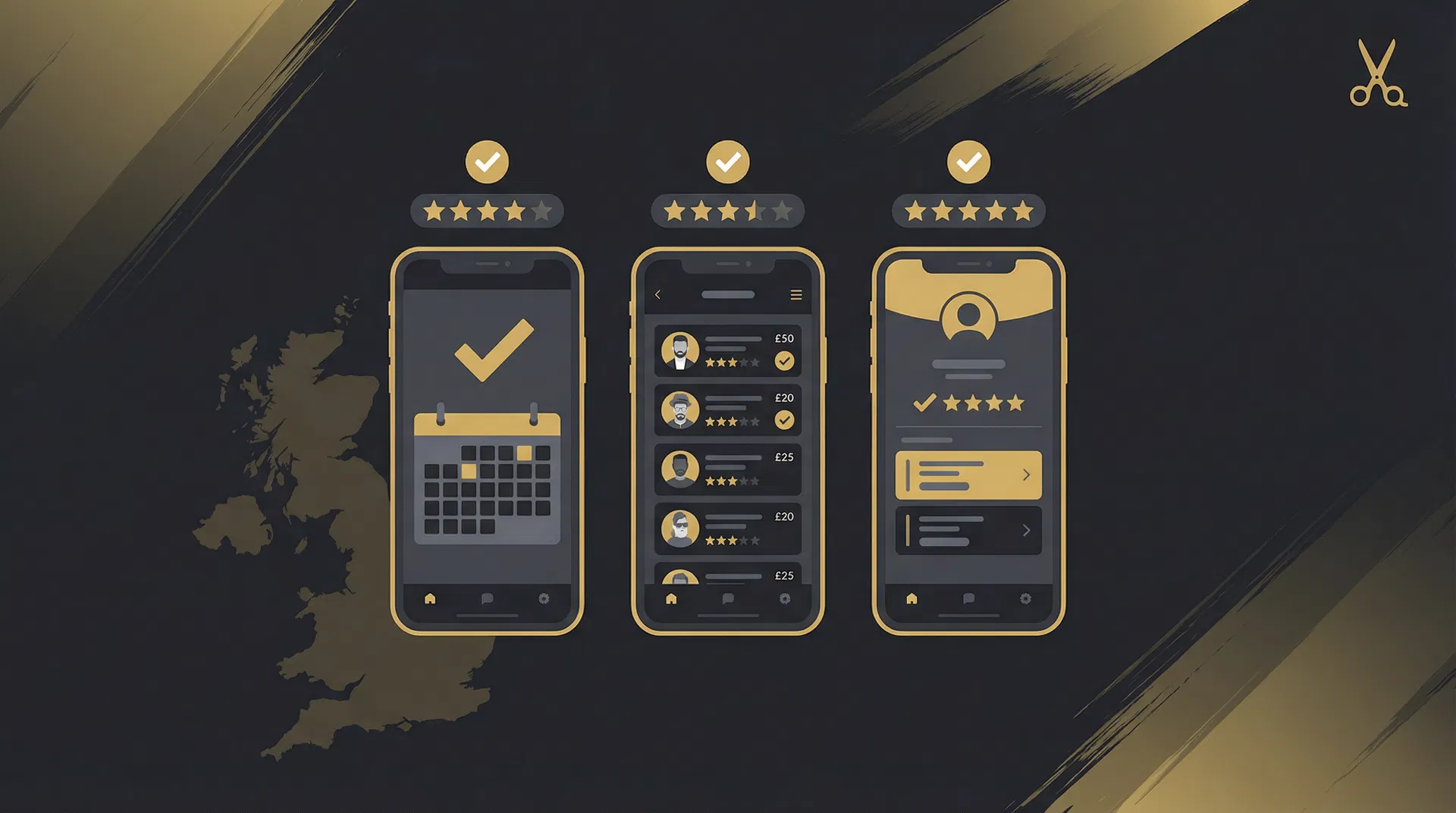
Traditional booking systems treat every appointment the same. An AI-powered scheduler can do something far more useful: it can analyse patterns in your booking data to predict which clients are most likely to no-show, and adjust accordingly. If a client has cancelled three of their last five appointments, the system can flag the booking as high-risk and suggest requiring a deposit, or it can automatically add a waitlisted client as a backup.
Smart scheduling also optimises your calendar layout. Instead of leaving random 15-minute gaps between appointments (which are too short to fill but too long to ignore), AI can suggest rearranging bookings to create usable blocks of time. Over a week, this can add two or three extra appointment slots that would otherwise have been wasted.
AI concierge and virtual consultations
One of the most visible applications of AI in the hair industry is the virtual concierge. Platforms like HairPlan now offer an AI assistant that can answer client questions, recommend services based on hair type and preferences, and guide them through the booking process — all without the barber or stylist needing to be involved.
For clients, this means they can get personalised advice at 11 pm on a Sunday, when no human is available to answer the phone. For the business, it means fewer repetitive enquiries ("How much is a skin fade?", "Do you do walk-ins?") and more time spent on the work that actually generates revenue.
Virtual try-on technology is also maturing. Several apps now let clients upload a selfie and see how different hairstyles, colours, or beard shapes would look on them before they commit. While the results are not yet photorealistic, they are good enough to start a conversation and reduce the anxiety that many clients feel about trying something new.
AI-powered marketing
Marketing is one of the areas where AI delivers the most immediate value for small businesses. Tools like Meta's Advantage+ campaigns use machine learning to automatically test different ad creatives, audiences, and placements, then allocate your budget to whatever is working best. A barbershop owner who would never have the time or expertise to run a sophisticated ad campaign can now set a budget, upload a few photos, and let the AI handle the rest.
AI also powers the content suggestions and caption generators that are now built into most social media management tools. While you should always review and personalise the output, these tools can save significant time on the repetitive parts of content creation — writing hashtags, suggesting posting times, and repurposing a single piece of content across multiple formats.
Client data and personalisation
The most forward-thinking salons are using AI to analyse their client data in ways that were previously only available to large retail chains. Which services are growing in popularity? Which clients are at risk of churning (i.e., they have not booked in longer than their usual interval)? What is the optimal price point for a new service based on your local market?
AI can also personalise the client experience. Imagine a booking confirmation email that includes a product recommendation based on the client's hair type and the service they have booked, or an automated follow-up message three weeks after a colour appointment suggesting a toner refresh. These touches feel personal to the client but require no manual effort from the stylist.
What AI cannot replace
For all its capabilities, AI cannot replace the core of what makes a great barber or hairdresser: the skill in your hands, the relationship you build with your clients, and the atmosphere you create in your shop. AI is a tool — it handles the administrative, repetitive, and analytical work so you can focus on the creative and interpersonal work that clients actually pay for.
The barbers and hairdressers who will thrive in the next decade are not the ones who resist technology, nor the ones who adopt every new tool uncritically. They are the ones who understand which tasks are worth automating and which are worth protecting.